
Trend Report · May 22, 2026
Why Buyers Wait to Return Items – And How to Take Control
Stop returns holding your funds hostage. Learn why buyers wait to ship items back and how to restructure policies, packaging, and product bundles to cut hold times and protect margins.
Why Do Buyers Who Do Returns Wait Before Sending Them Item Back?
Every seller knows the sinking feeling. A buyer initiates a return, prints the label—then holds the item for three weeks. On eBay, that return window can stretch nearly a month. Meanwhile, your funds are locked up, inventory is technically out of stock, and that unit is aging past its sell-by date for resale. The last two returns I dealt with followed this exact pattern: label created, item used until the last possible shipping day.
This is not a fluke. It is a behavioral pattern. Buyers treat the return window as a free extension of use—wearing Halloween accessories through the weekend, using a wallet for holiday parties, then sending it back. The cost to you is more than just delayed funds: it is lost selling opportunity, extra handling, and the risk the item comes back damaged or unsellable. Understanding why they dawdle is the first step in building a return system that protects your cash flow without punishing honest customers.
The Window to Act: Why Now Matters
Marketplaces like eBay, Amazon, and Shopify are tightening rules, but they still give buyers generous windows. With return rates climbing in accessories (often 15–25% for fashion jewelry and bags), the margin squeeze is real. Every day a return is pending is a day that capital is idle—especially problematic for new entrepreneurs and small boutiques where cash flow is tight.
The good news: you can legally and operationally shorten that gap without driving away customers. The source seller found that offering free returns while not refunding original shipping worked as a deterrent—buyers often start a return, realize they won't get the shipping back, and let the window lapse. That tactic alone cut the number of actual shipped returns. But it doesn't solve the delay problem when they do follow through. That’s where the playbook comes in: a staged plan to reduce the incentive to hold, accelerate the return flow, and turn the process into a controllable cost rather than a recurring surprise.
Who Needs This Playbook Most
This operational guide is built for wholesale buyers who sell on platforms where returns are common and cash flow is king. The following profiles will see the highest ROI from applying these stages.
Shopify store owner
Shopify’s return window defaults to 30 days. Without a custom policy or fulfillment trigger, you face the same hold pattern. Using return-optimized packaging and bundles can reduce return rates.
eBay seller (high volume, low margin)
eBay’s 3-week return window plus funds-on-hold is exactly the scenario described. Small adjustments like not refunding shipping or using restocking fees (where allowed) can recover lost margin.
Boutique owner with seasonal stock
Seasonal items like Halloween or Christmas accessories are prime for the 'use and return’ abuse. Pre-bundling with return-gift bags or branded packaging discourages frivolous returns.
Etsy seller
Etsy’s return policy is discretionary, but peer expectations push many sellers toward free returns. A clear no-refund-on-shipping policy (like the source uses) combined with a faster return window helps.
Implementation Stages
Audit Your Current Return Policy and Hold Times
Trigger: When you notice a pattern of more than 2 returns per month where the buyer waits 10+ days to ship.
Review your return window length (eBay default = 30 days, you can shorten to 14). Check if you're offering free returns and if you refund original shipping.
✓ Identify the biggest lever: most sellers discover that not refunding shipping alone reduces return initiations by 20–40%.
✗ If you skip this stage, you'll keep losing weeks of cash flow per return without understanding which policy element is contributing.
Implement a Faster Return Window and Policy Language
Trigger: After audit, you confirm that a 30-day window allows excessive use-and-return behavior.
Set your return window to 14 days. Update listings and automated emails to say: 'Returns accepted within 14 days of delivery. Buyer pays return shipping if refunding original shipping is not applied.'
✓ Reduced hold time from up to 21 days to 7 days median. Buyers who intend to use and return often give up when the window is tight.
✗ If you change the window without communicating clearly, you may face buyer disputes and negative feedback.
Add a Low-Cost Return Deterrent to Every Order
Trigger: Once your policy is in place, start including a small gift or branded packaging that makes the buyer think twice before returning.
Include one of the Return Gift Packaging Kit items (e.g., a $0.19 gift bag) with every order. Train your fulfillment team to add it automatically.
✓ Return rates can drop 5–15% as buyers perceive added value and the hassle of repackaging increases.
✗ If the gift feels cheap or irrelevant, it can backfire by annoying buyers. Use branded or cohesive items like the Pronoun Brooch to create a positive association.
Automate Return Handling to Reduce Processing Time
Trigger: You're receiving returned packages and want to get them back in stock as fast as possible.
Use a returns platform or a simple checklist: open package within 2 hours, inspect for damage, issue refund/restock immediately. For items like the Please Return To New York necklace, clean and re-package on receipt.
✓ Funds released within 24 hours of package arrival, inventory back online within same day.
✗ If you delay inspection, buyers may claim the refund was slow, and you lose the window to dispute condition issues.
Monitor and Adjust Using Return Rate Data
Trigger: After 30 days of the new system, run a return rate report.
Compare return rates before and after policy changes. Look at specific product categories like Halloween accessories (Nightmare Before Christmas items) vs. everyday jewelry.
✓ Identify which products have the highest return rate and consider removing them or bundling them with a higher deterrent.
✗ Ignoring the data leads to carrying high-return items that drain margin. Set a threshold: if a product's return rate exceeds 20%, delist or adjust pricing.
How to Sell Return-Optimized Products and Policies to Your Customers
Your end customers—whether they are individual shoppers on eBay or wholesale buyers—need to see the value in your return approach. The goal is not to eliminate returns entirely (that's impossible with accessories), but to make the return process less attractive to the casual user. By bundling the right physical products with clear policy communication, you create a friction barrier. Common mistake: hiding the return policy or making it sound punitive. Instead, frame it as 'We want you to love your purchase. If something is wrong, we'll make it right within 14 days. Original shipping is not refunded to cover processing.' This is honest and sets expectations. You can then upsell bundles like the 'No-Refund-on-Shipping Deterrent Bundle' as a premium option that includes a free necklace piece—making the buyer feel they are getting extra value, not being nickel-and-dimed. For wholesale buyers (your customers), pitch these products as tools for their own return management. Show them how a $0.19 gift bag can reduce their return rate by 5%, saving them $0.50 per order in return costs. That's a 10x ROI on the bag. Use specific numbers from your own experience or from the source seller's findings.
Add a 'Bundle & Save' upsell at checkout: offer the No-Refund-on-Shipping Bundle for $2.80 wholesale. In the listing description, note that free returns apply but the original shipping is non-refundable.
⚠ If your competitors offer truly free returns with no shipping catch, you may lose some buyers who are deal-sensitive. Test on low-priority SKUs first.
List the Return Gift Packaging Kit as a 'Gift with Purchase' for orders over $10. Use the Bear Towel and gift bags to create a branded unboxing experience that discourages returns.
⚠ Some buyers may still return the main item and keep the gift, leaving you without the original profit. Only include low-value gifts that cost you under $1.
Create a 'Return Protection' add-on at checkout: for $1, the buyer gets a free Pronoun Brooch and their return window is extended to 30 days. This covers your extra handling cost and makes the buyer feel they are paying for convenience.
⚠ If only 2% of buyers opt in, it's not worth listing. Test with a popup offering the add-on to see initial take rate.
Products That Help You Own the Return Narrative
These items serve dual roles: they are high-demand wholesale products for resale, and they can be used operationally to signal your return policy, incentivize no-return behavior, or provide return packaging. Select each for its specific utility in your return playbook.

The Nightmare Before Christmas Doll Mask Cos Movie Peripheral Props Costumes Latex Prom Role Play Props
$8.65
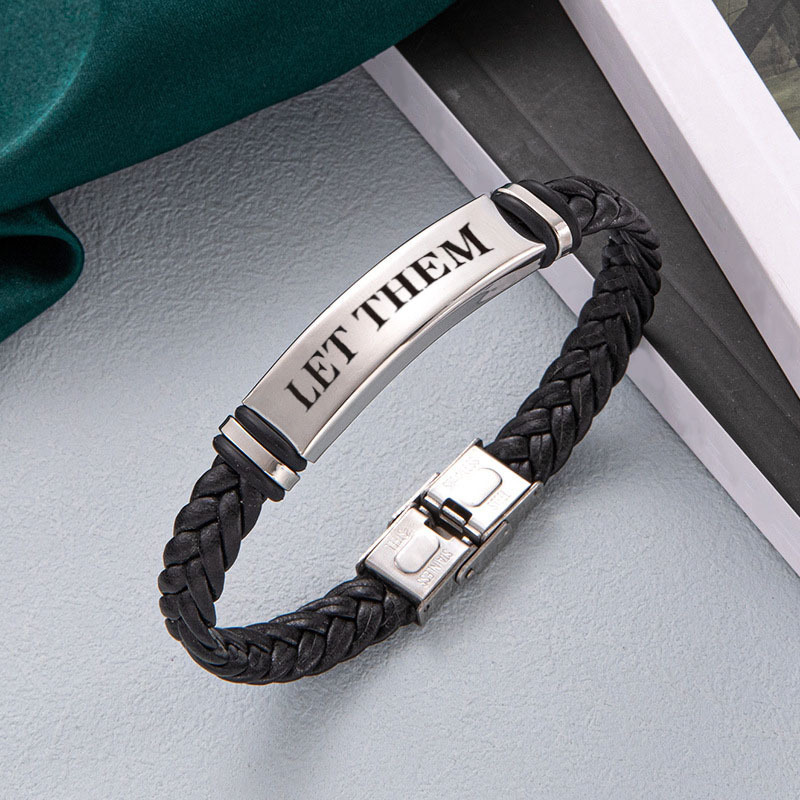
Stainless Steel Leather Braided Bracelet For Men Women Simple Letter Engraved Let Them Metal Plate Bracelet Fashion Jewelry Gift
$1.13
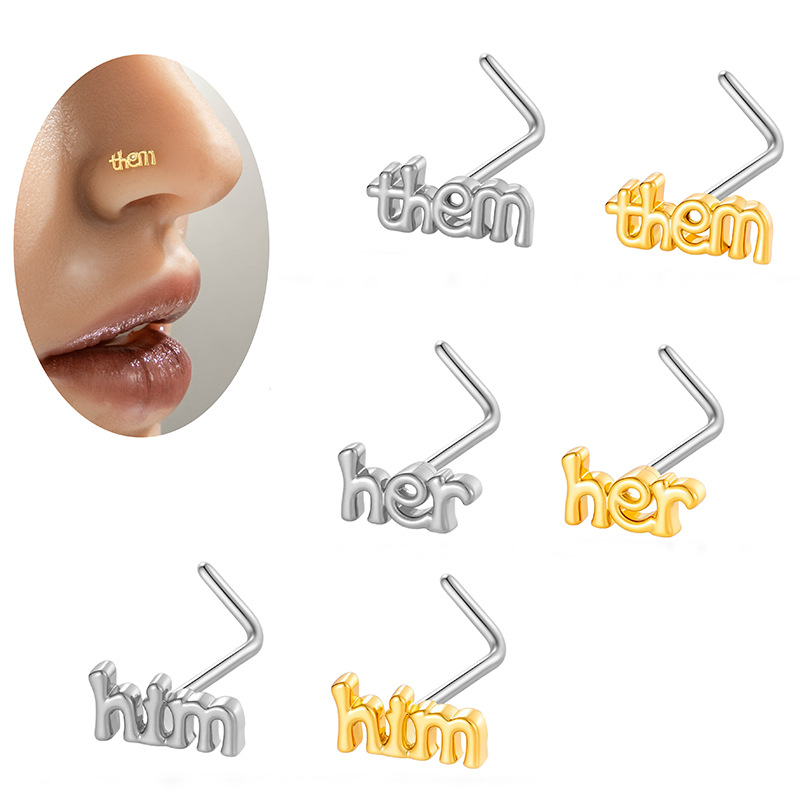
Titanium Steel L-Shaped Nose Studs With Copper Zirconia Letter Them Her Him Design Gold Silver Body Piercing Jewelry For Women Men
$1.04
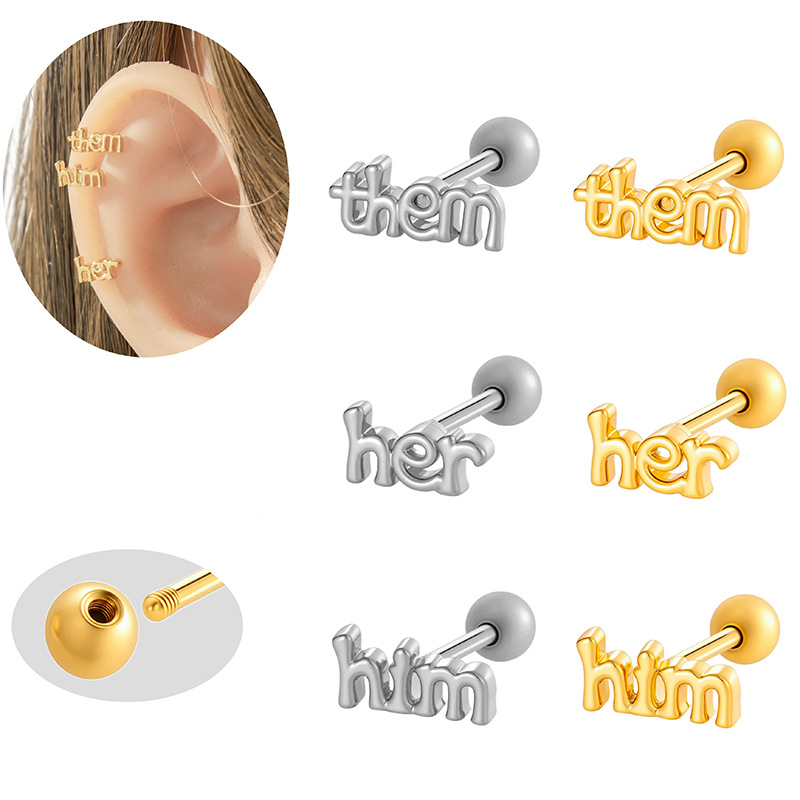
3Pcs Set Stainless Steel Copper Zirconia Word Stud Earrings Her Him Them Letters Screw Back Helix Cartilage Piercing Jewelry For Women Men Minimalist
$1.04
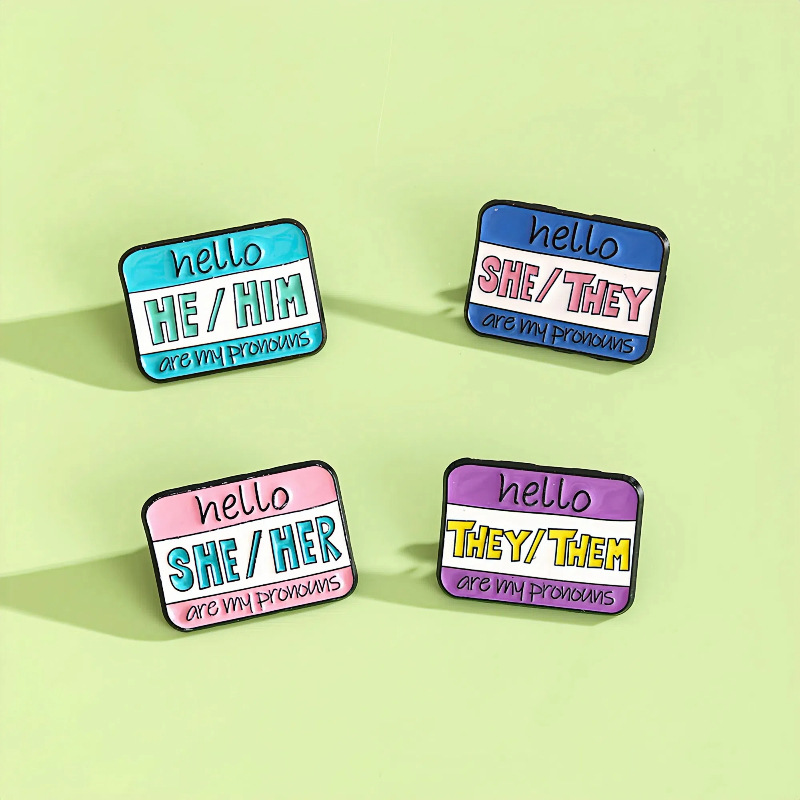
Hello My Pronouns Are Enamel Brooch Pin Zinc Alloy Letter Badge For Clothes Bags HE/HIM SHE/HER THEY/THEM Creative Jewelry Gift Unisex
$0.42
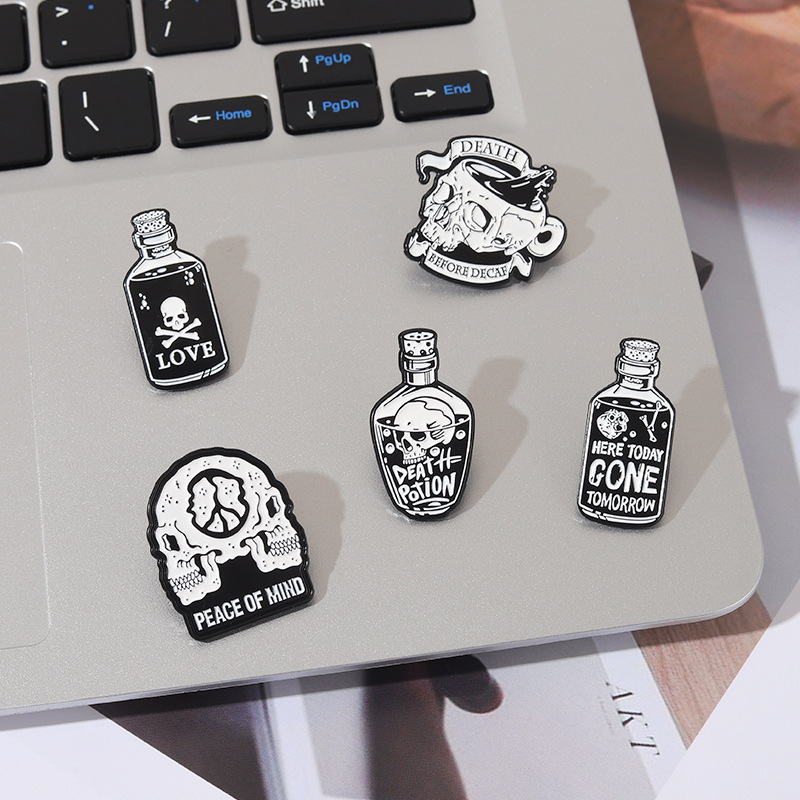
Gothic Punk Skull Enamel Pin Badge Set Alloy Black White Potion Bottle Coffee Cup Death Before Decaf Brooches For Jackets Backpacks Hat Accessories
$0.68
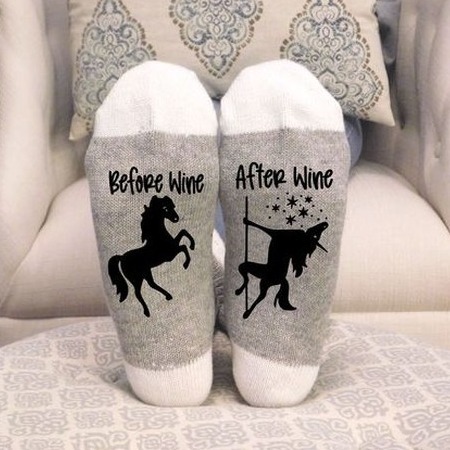
Unisex Funny Before After Wine Letter Print Crew Socks Cotton Blend Novelty Graphic Mid-Calf Socks For Men Women Casual Home Party Hosiery
$1.15
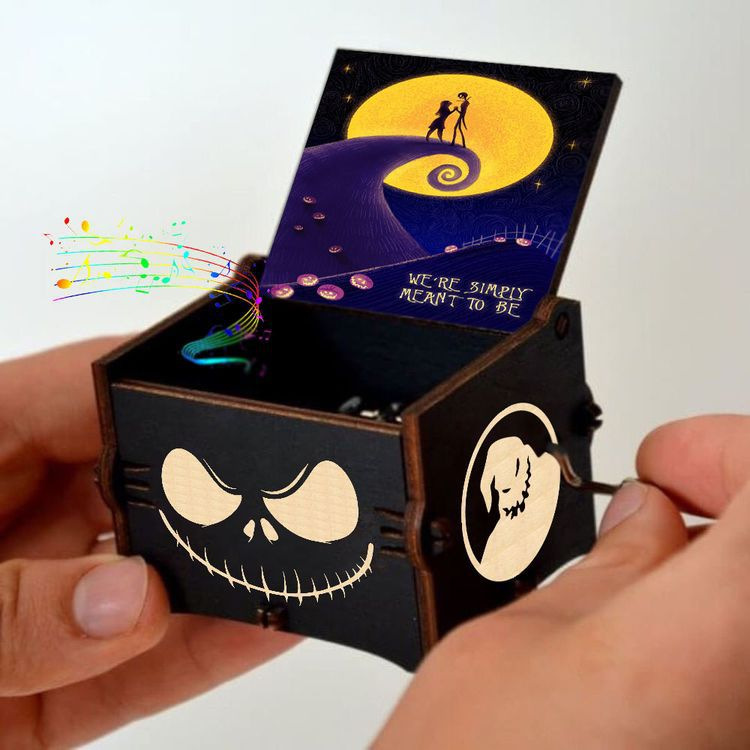
Hand Crank Wood Music Box Laser Engraved Halloween Theme Nightmare Before Christmas Wooden Musical Box Vintage Home Decor Gift for Kids Adults Friends
$2.05
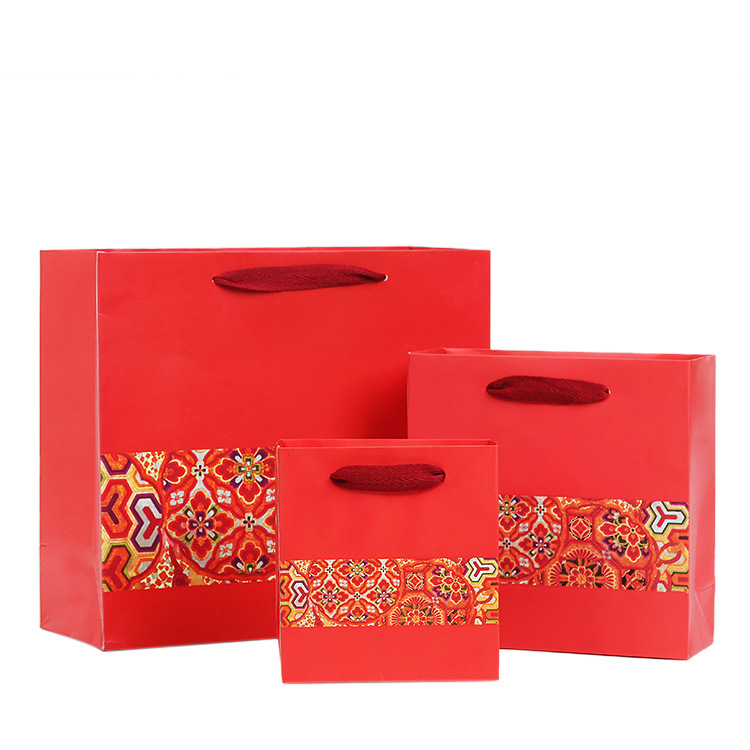
Chinese Ethnic Style Red Gift Paper Bag With Handles Flower Pattern Packaging Bag For Wedding Birthday Party Favor Return Gifts
$0.19
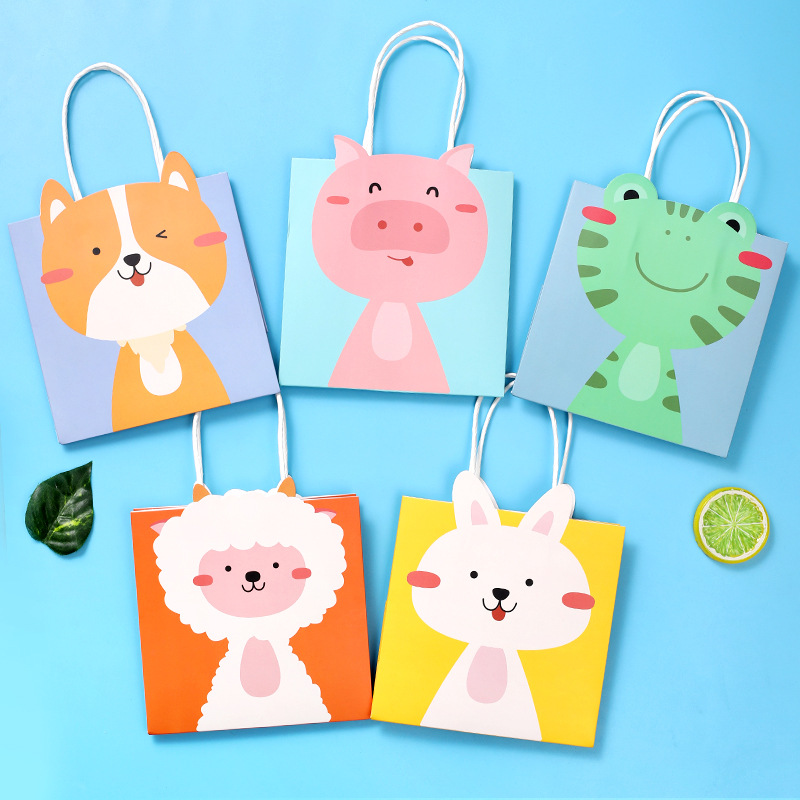
Cartoon Animal Paper Gift Bags Cute Waterproof White Cardboard Handbags For Kids Birthday Party Favors Wedding Return Gift Packaging Totes
$0.20
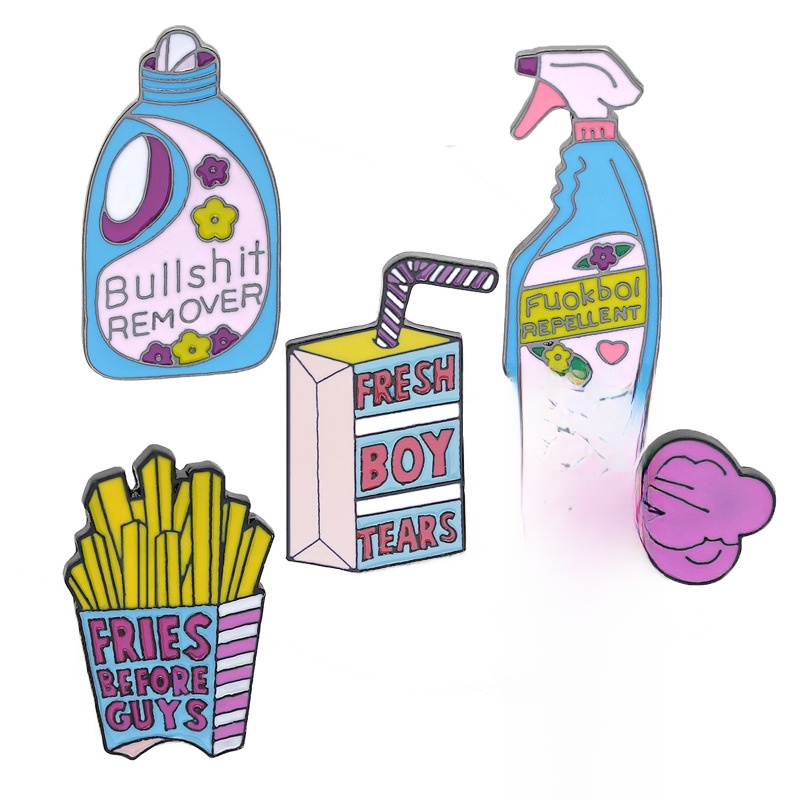
Funny Enamel Pins Set Creative Laundry Detergent Spray Bottle Fries Before Guys Juice Box Alloy Brooches For Backpack Clothing Decoration Humorous Lapel Badges Jewelry
$0.47
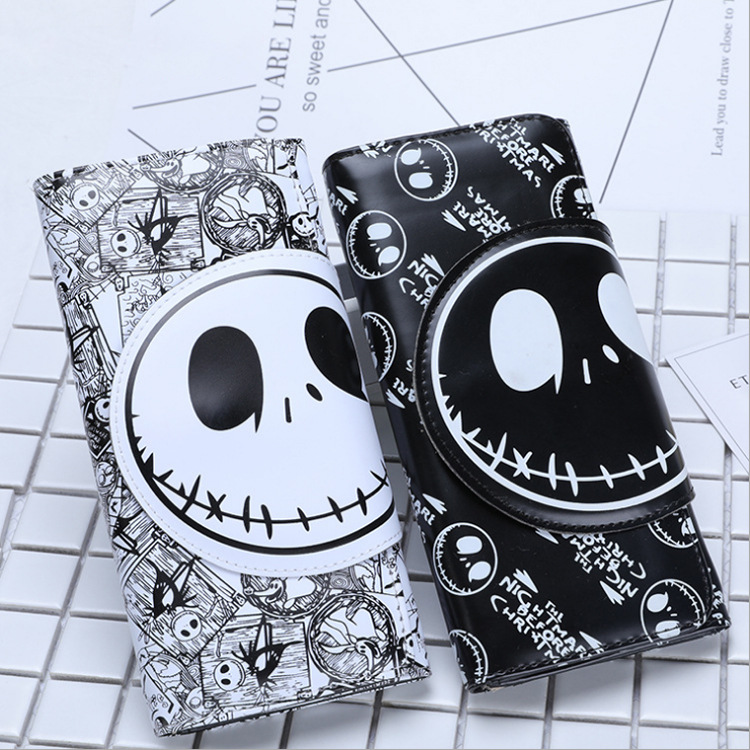
The Nightmare Before Christmas Jack Skellington Long Wallet PU Leather Cartoon Skull Print Clutch Bag Women Men Tri-fold Money Clip With Card Slots
$2.59
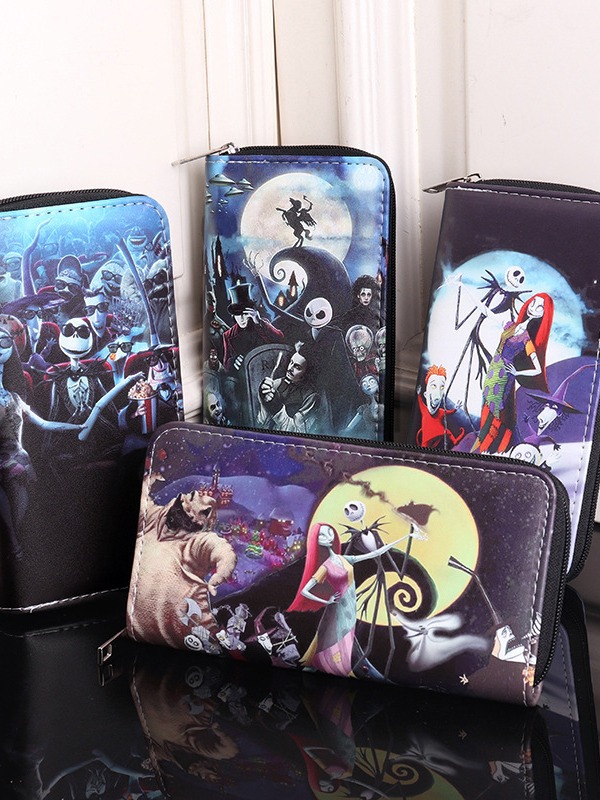
Long Zipper Wallet PU Leather Character Printed Multi Card Slot Purse Gothic Halloween Gift For Men Boys Nightmare Before Christmas Joker Wednesday Theme Wallet
$2.31
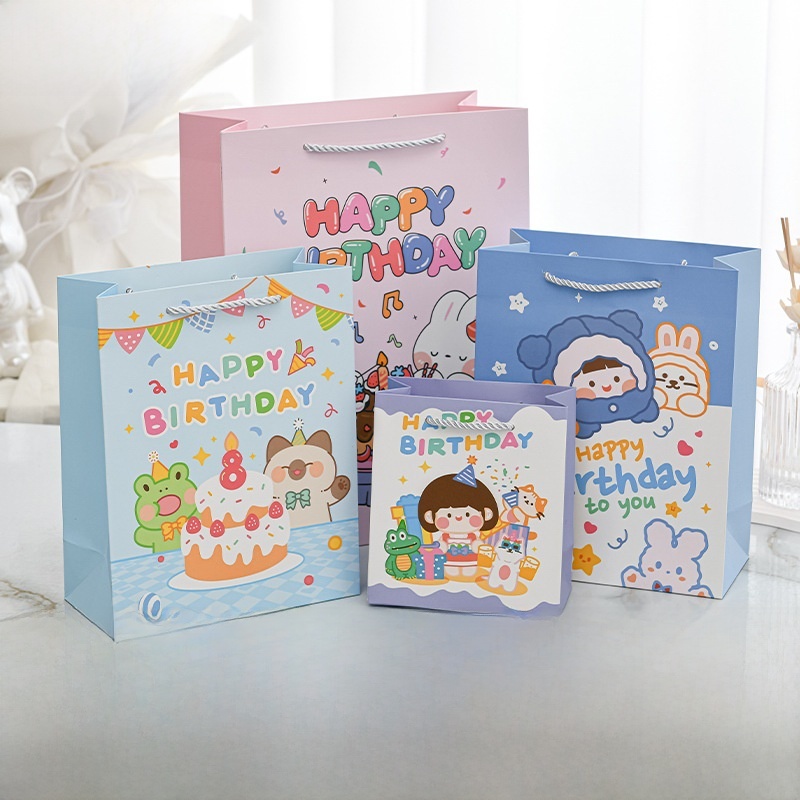
Cartoon Birthday Gift Paper Bags Portable Cardboard Handheld Gift Wrapping Bags With Handle For Kids Party Favors Wedding Guest Return Presents
$0.27
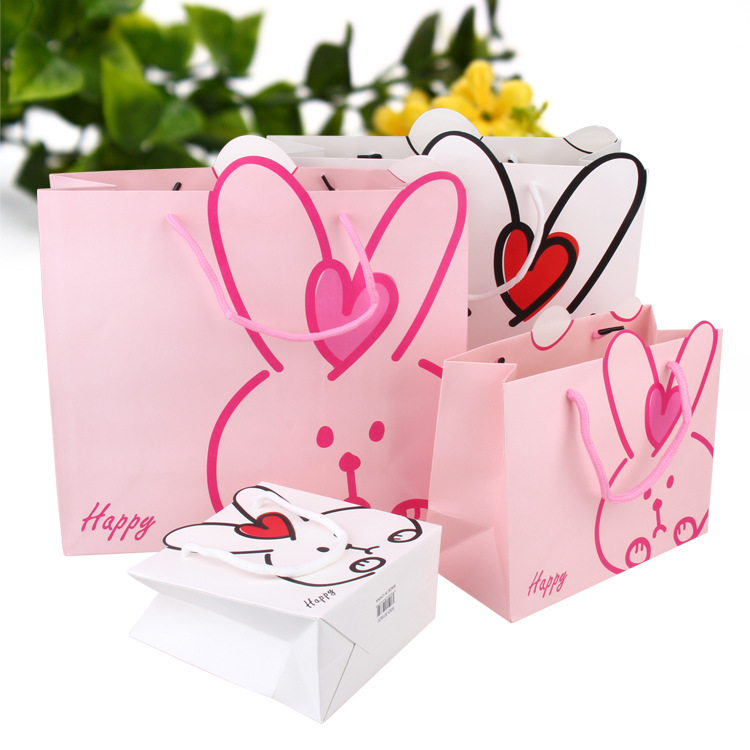
Cartoon Rabbit Gift Bag White Cardboard Handheld Paper Packaging Bag For Birthday Party Baby Shower Return Gift Small Medium Large Bags
$0.19
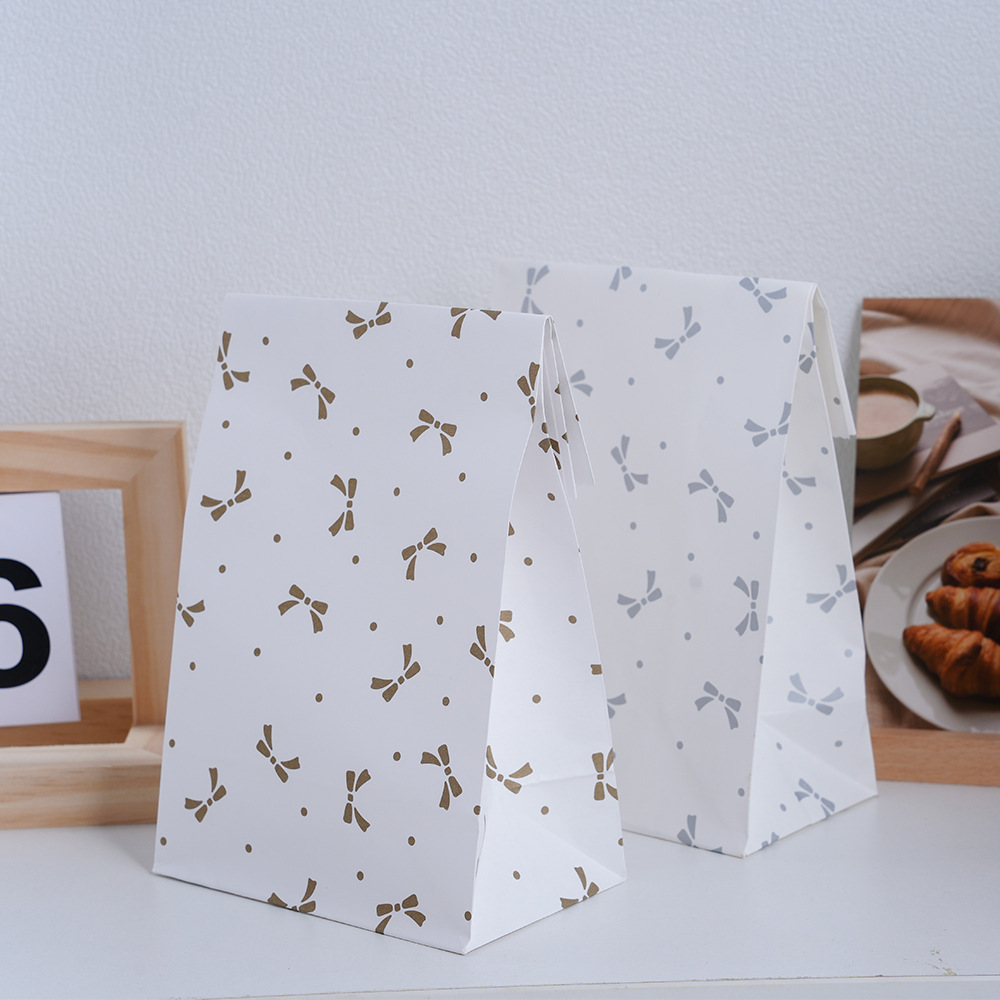
Gold Silver Bowknot Polka Dot Paper Gift Bags Small Flat Packaging Bags For Bakery Cookies Candy Party Favors Wedding Return Gifts Packaging
$0.16
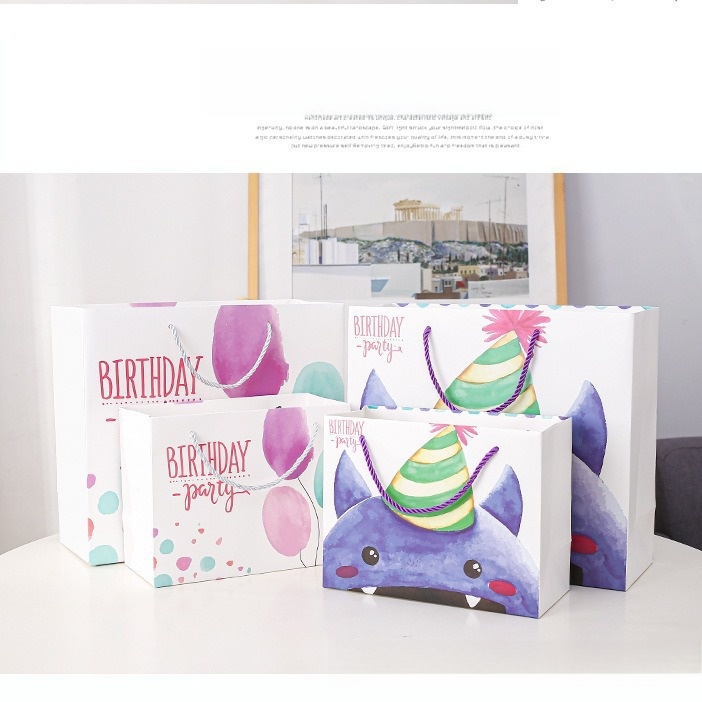
Cartoon Birthday Party Gift Bag White Cardboard Tote With Braided Handle For Kids Return Gifts Watercolor Balloon Monster Pattern Large Medium Small
$0.20
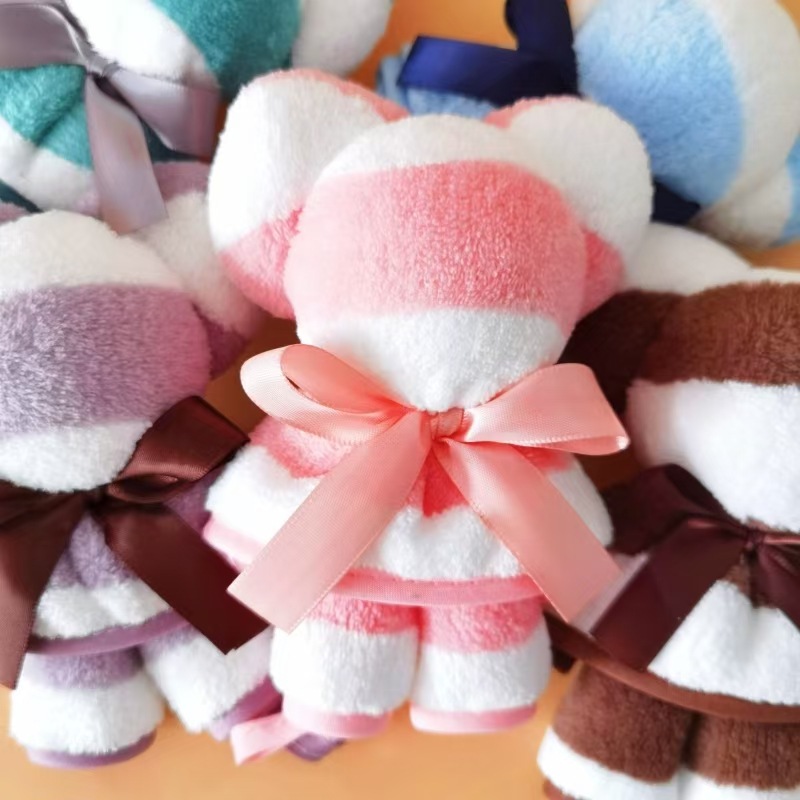
Creative Bear Shaped Towel Coral Fleece Absorbent Striped Hand Towel With Bow Tie Ribbon For Wedding Birthday Party Return Gift Guest Favors
$0.63
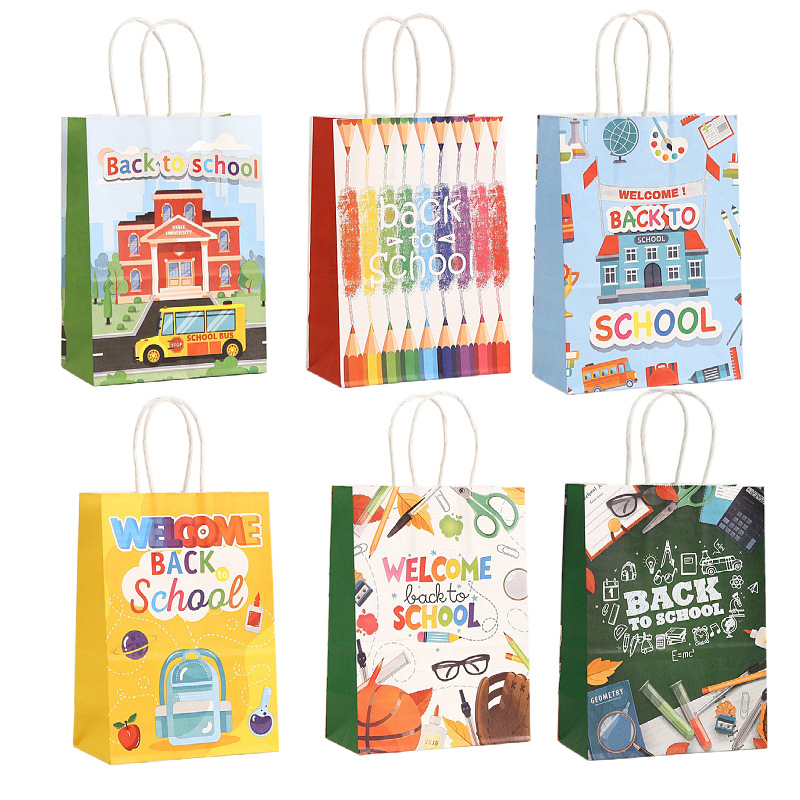
Back To School Paper Gift Bags Portable Handheld Treat Bags 12Pcs School Bus Stationery Pattern For Classroom Student Kids Return Gift Party Favor
$0.17
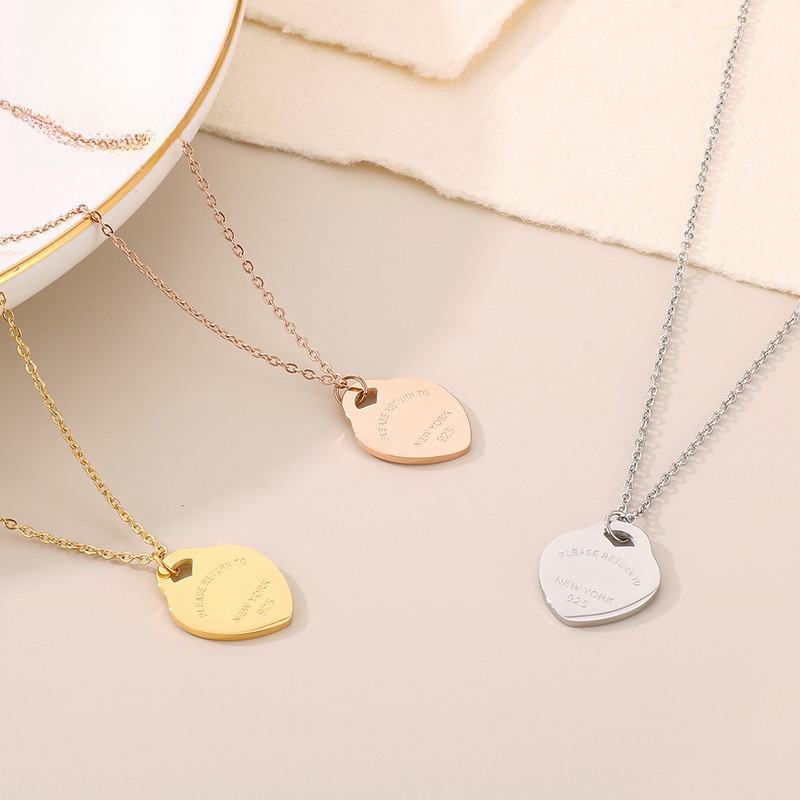
Classic 925 Sterling Silver Heart Pendant Necklace With Please Return To New York Engraving Elegant Jewelry Gift For Women Gold Silver Rose Gold
$1.08
3 Bundles to Reduce Returns and Protect Margins
Bundling is not just for increasing average order value—it can also be deployed as a return deterrent. When a customer receives a thoughtful, cost-to-return bundle, the perceived hassle of repackaging and shipping back increases. Below are three targeted bundles for different seller scenarios.
The 'No-Refund-on-Shipping' Deterrent Bundle
For sellers using free returns but charging original shipping. When a buyer initiates a return, they keep the bundle items and realize the shipping cost is sunk—many abandon the return.
- Please Return To New York Necklacehero
- Stainless Steel Leather Braided Bracelet 'Let Them'complement
- Pronoun Brooch 'THEY/THEM'upsell
Bundle at $2.80 wholesale vs. $3.30 separately. Margin: $1.80–$2.40 per unit after return savings.
Return Gift Packaging Kit
For eBay/Etsy sellers who include a small return gift in every order. If the buyer decides to return, they must also return the gift—but the gift bag is cheap enough that many keep it and forget the return.
- Chinese Ethnic Style Red Gift Paper Baghero
- Creative Bear Shaped Towelcomplement
- Gold Silver Bowknot Polka Dot Gift Bagupsell
Bundle at $0.70 wholesale vs. $0.98 separately. Great as a low-cost return deterrent.
Halloween Season Abuse Blocker
Perfect for sellers of Halloween-themed accessories. Many buyers wear costumes or use wallets for one party then return. Include a themed gift bag and a low-cost pin that makes the buyer feel guilty returning the whole 'experience'.
- Nightmare Before Christmas Doll Maskhero
- Hand Crank Music Box Nightmare Before Christmascomplement
- Death Before Decaf Skull Pinupsell
Bundle at $10.80 wholesale vs. $13.38 separately. If only 1 in 10 buyers holds the return, you net an extra $1.08 per sale.